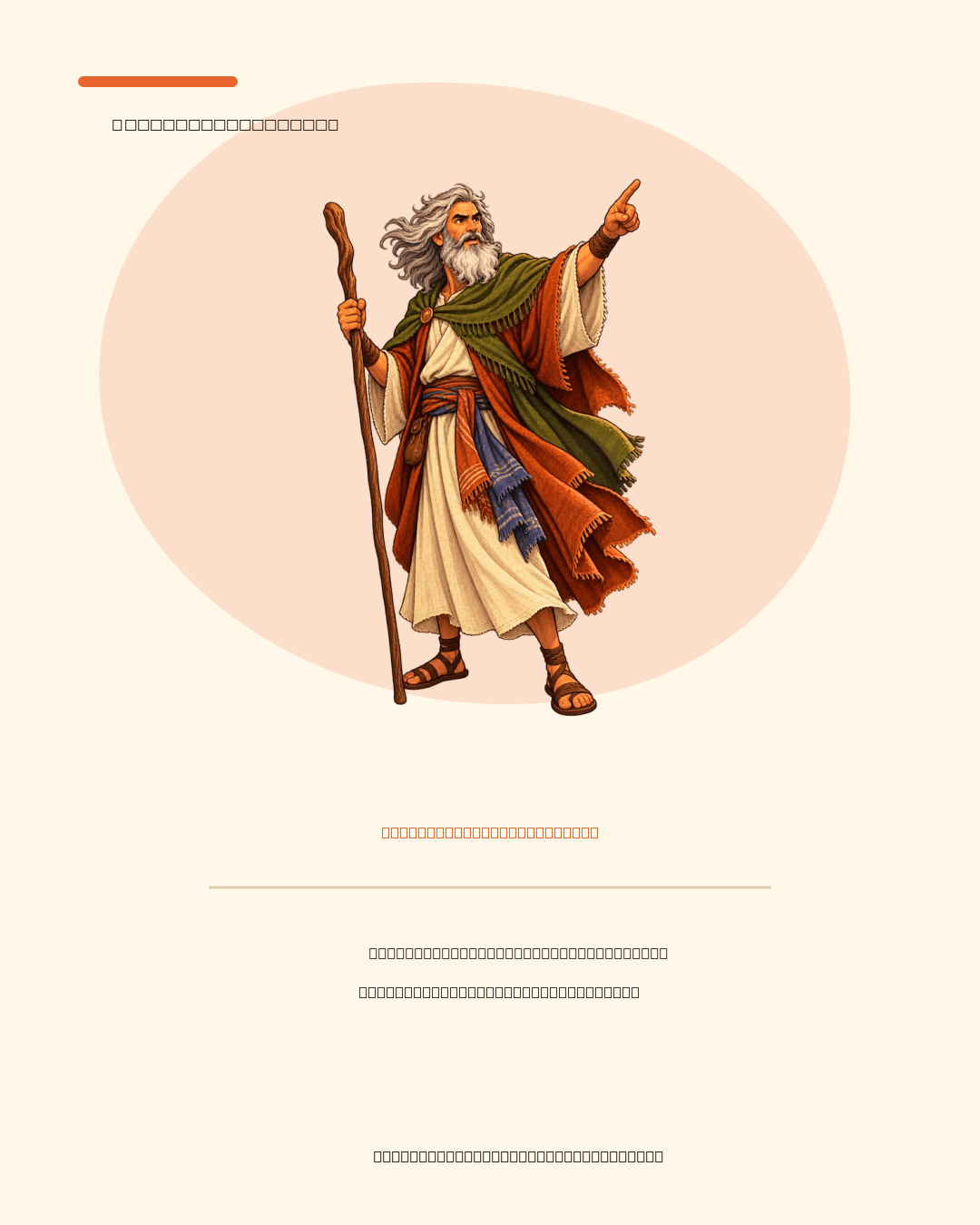
How you decide
You feel a problem sharply while others are still willing to leave it vague. Naming the real choice comes before comfort.

“You put the real choice on the table.”
Character profile
You would rather name the divided choice than let it stay hidden.
Why this match
You feel a problem sharply while others are still willing to leave it vague. Naming the real choice comes before comfort.
You can stand alone in public and pay for it. The cost shows up afterwards, and it is real. Courage does not make you tireless.
People stop pretending when you join the conversation. Your directness makes the actual decision visible.
Measured, not guessed
In a group
You help a group stop pretending that incompatible choices are the same. Your directness can restore moral clarity when everyone else is circling the issue.
Keep watch
After Carmel, Elijah fled, asked to die, and believed he stood alone. God gave food, rest, presence, correction, and company. Courageous people still need care and a wider view.
The character behind it
Elijah confronted Ahab, challenged public compromise on Carmel, prayed with persistence, and spoke with unusual directness. His story also includes fear and exhaustion after public courage, and this result honours both. Strong conviction did not make him mechanical, tireless, or untouched by the cost of confrontation. Your answers followed his concentrated pattern: name the divided choice, defend the conviction, and accept the risk of standing apart.
Where we see it
Read the passages in context. The profile comes from repeated actions, including correction and failure where Scripture records them.
“How long will you falter between two opinions?”
1 Kings 18:21, NKJV
Your wider table

Kindred spirit
The Expressive Worshipper

Kindred spirit
The Principled Discerner

Growth companion
The Encouraging Advocate
A growth companion is not a better character. They tend to respond in ways you may use less often.
Your turn
A closest match, not a spiritual label: this quiz compares your choices with ten response dimensions across twenty character profiles drawn from the biblical narratives. It does not measure faith, maturity, calling, gifting, or identity in Christ. You share behaviours with many people, and your response can change across situations.